Golden Age of Country the most comprehensive collection on the Web devoted to the country music of the '50s and '60s. With top Artist & Track Titles from the '70s & '80s this collection of over 300 musical videos. Brings together the most influential country & western artists of the decades that truly represented the "golden age" in country music history.
|
|
Scroll Down for Artist/Track Titles
Click on a Track Title listen to the music video, close the page to return to our website.
|
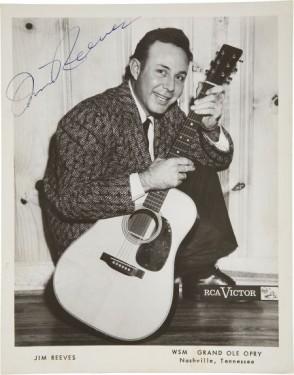
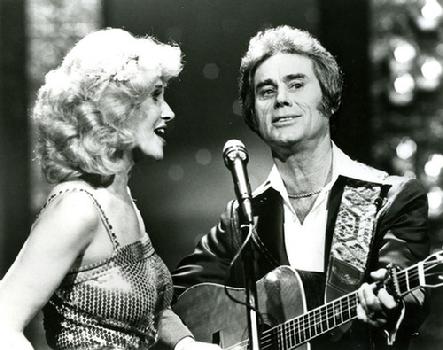
Bill Anderson: Mama Sang a Song & Still Bill Anderson and Jan Howard: For Loving You Bill Monroe & His Blue Grass Boys: Blue Moon of Kentucky Bill Phillips & Dolly Parton: Put It Off until Tomorrow Billy Walker: Charlie’s Shoes Bob Luman: Let’s Think about Living Bobby Bare: Detroit City Bobby Edwards: You’re the Reason Bobby Helms: You Are My Special Angel & Fraulein Buck Owens: Love’s Gonna Live Here, My Heart Skips a Beat & I've Got a Tiger by the Tail Burl Ives: A Little Bitty Tear Carl Butler: Don’t Let Me Cross Over Carl Perkins: Blue Suede Shoes Carl Smith: (When You Feel Like You’re in Love) Don’t Just Stand There & Hey Joe! Charlie Daniels: Long Haired Country Boy, The devil went down to george, Fiddle fire & Simple Man Charley Pride: Kaw-Liga & Does My Ring Hurt Your Finger Charlie Walker: Pick Me Up on Your Way Down, Close All the Honky Tonks & Last Call for Alcoho Claude King: Wolverton Mountain & Anna Connie Smith: Once a Day & 'How Great Thou Art' Conway Twitty: Next in Line & It’s Only Make Believe Cowboy Copas: Alabam Dave Dudley: Six Days on the Road & Truck Drivin' Son Of A Gun David Houston: Almost Persuaded Del Reeves: Girl on the Billboard Dolly Parton: 9 to 5, Jolene, I will always love you & Coat of many colors Dolly Parton & Kenny Rogers: Islands In The Stream Don Gibson: Oh Lonesome Me & I Can’t Stop Lovin’ You Eddy Arnold: Make the World Go Away, I Wouldn't Trade The Silver In My Mothers Hair & You Don't Know Me Eddy Arnold and His Guitar: The Cattle Call Elvis Presley: Heartbreak Hotel & That’s All Right Ernest Tubb and His Texas Troubadours: Waltz across Texas & Thanks a Lot Faron Young: Alone with You & Hello Walls Ferlin Husky: Gone & Wings of a Dove Ferlin Husky and Jean Shepard: A Dear John Letter Floyd Cramer: Last Date George Hamilton IV: Abilene George Jones: White Lightning, Walk through This World with Me, She Thinks I Still Care, The Race Is On & Tender Years George Jones and Melba Montgomery: We Must Have Been out of Our Minds Glen Campbell: Wichita Lineman , Rhinestone Cowboy & Galveston Hank Locklin: Please Help Me, I’m Fallin, SEND ME THE PILLOW YOU DREAM ON & Geisha Girl Hank Snow: I’ve Been Everywhere, I don't hurt anymore & I’m Moving On Hank Thompson: The Wild Side of Life, Oklahoma Hills & Six Pack to Go Hank Thompson and His Brazos Valley Boys: Squaws along the Yukon Hank Williams : Lovesick Blues, Honky Tonk Blues, Move it on Over & Hey, Good Lookin’ Hank Williams Jr: A Country Boy Can Survive, Family Tradition & Whiskey Bent and Hell Bound Harry Mc Clintock: BIG ROCK CANDY MOUNTAINS (1928) Hawkshaw Hawkins: Lonesome 7-7203 & Sunny Side Of The Mountain Henson Cargill: Skip a Rope Jack Greene: There Goes My Everything & Statue of a Fool Jeannie Seely: Don’t Touch Me Jerry Lee Lewis: What’s Made Milwaukee Famous, Whole Lot of Shakin’ Going On & You Win Again Jim Ed Brown: Pop a Top Jim Reeves: He’ll Have to Go, Danny Boy & Four Walls Jimmie Skinner: I Found My Girl in the U.S.A Jimmy Dean: Big Bad John & I.O.U. Jimmy Newman: A Fallen Star Jimmy Wakley: Slipping Around Johnnie & Jack: (Oh Baby Mine) I Get So Lonely Johnny Cash: I Walk the Line , Ballad of a Teenage Queen, Daddy Sang Bass, A Boy Named Sue & Folsom Prison Blues Johnny Cash and June Carter: Jackson Johnny Horton: Honky-Tonk Man, North to Alaska & The Battle of New Orleans Johnny Tillotson: It Keeps Right On A-Hurtin’ Johnny Wright: Hello Vietnam Kenny Rogers: The Gambler, Ruby, Don't Take Your Love To Town, Through The Years & lucille Kitty Wells: Makin' Believe & It Wasn’t God Who Made Honky Tonk Angels Lefty Frizzell: If You’ve Got the Money, I’ve Got the Time & Saginaw, Michigan Leon Ashley: Laura (What’s He Got That I Ain’t Got?) Leroy Van Dyke: Walk On By, The Auctioneer Song & If a Woman Answers (Hang Up the Phone) Lester Flatt & Earl Scruggs & the Foggy Mountain Boys: The Ballad of Jed Clampett “Little” Jimmy Dickens: May the Bird of Paradise Fly up Your Nose & OUT BEHIND THE BARN Loretta Lynn: Don’t Come Home A-Drinkin’, Before I'm over you, Coal Miner's Daughter & You Ain’t Woman Enough Margaret Whiting and Jimmy Wakely: I Don't Wan't To Be Free Marty Robbins: El Paso, Big Iron, Devil Woman, don't worry about me & Singing the Blues Marvin Rainwater: Gonna Find Me a Bluebird, IT WASN´T ENOUGH ROCKABILLY ,Hound Dog Yodel & Whole lotta woman Merle Haggard and the Strangers: Mama Tried & Okie from Muskogee Ned Miller: From a Jack to a King & Do What You Do Do Well Osborne Brothers: Rocky Top, Ruby, Country Roads & Rocky top tennessee Patsy Cline: Crazy, I Fall To Pieces, SWEET DREAMS, she's got you & Walkin’ after Midnight Patti Page: The Tennessee Waltz, Old Cape Cod, Mocking Bird Hill, YOU BELONG TO ME & Changing Partners Patti Page & Ned Miller: Dark Moon Pee Wee King and His Golden West Cowboys: Slow Poke Porter Wagoner: Green, Green Grass of Home, A satisfied mind, The Rubber Room & The Carroll County Accident Porter Wagoner and Dolly Parton: The Last Thing on My Mind & just someone i used to know Roger Miller: Dang Me, Chug-a-lug, England Swings, You can't rollerskate & King of the Road Roy Clark: Yesterday, Rocky Top (Banjo), Malaguena & Ghost Riders In The Sky Roy Drusky: Three Hearts in a Tangle, Jody And The Kid & anymore Roy Drusky and Priscilla Mitchell : Yes, Mr. Peters Ray Price: Crazy Arms, City Lights, Make the world go away & Heartaches by the Number Red Foley: Chattanoogie Shoe Shine Boy, Peace In The Valley, smoke on the water & Old Shep Red Sovine: Giddyup Go, teddy bear, Daddy, Roses For Mama & Phantom 309 Red Sovine and Webb Pierce: Why Baby Why Sheb Wooley: That’s My Pa & Purple People Eater Skeeter Davis: The End of the World & I can't stay mad at you Skeets McDonald: Don’t Let the Stars Get in Your Eyes Slim Whitman: Indian Love Call, rose marie & china doll Sonny James: Young Love, running bear, Since I Met You Baby & You’re the Only World I Know Stonewall Jackson: Waterloo & don't be angry Stuart Hamblen: This Ole House & My Home (it is no secret) Tammy Wynette: Stand by Your Man, til i can make it on my own & D-I-V-O-R-C-E Tammy Wynette and David Houston: My Elusive Dreams Tommy Collins: You Better Not Do That & High On A Hilltop Tennessee Ernie Ford: Sixteen Tons, Shenandoah & The Shot Gun Boogie Tex Ritter: I Dreamed of a Hill-Billy Heaven, The Deck Of Cards & smoke smoke smoke that cigarette The Bluegrass Boys & Bill Monroe: Southern Flavor The Browns: The Old Lamplighter & The Three Bells (Les Trois Cloches) The Carlisles: No Help Wanted The Davis Sisters: I Forgot More Than You’ll Ever Know & ROCK-A-BYE BOOGIE The Everly Brothers: Bye Bye Love, cathy's clown, Walk right back by & Wake Up Little Susie The Louvin Brothers: I Don't Believe You've Met My Baby & My Baby’s Gone The Statler Brothers: Flowers on the Wall, Class of '57, I'll Go To My Grave Loving You & Bed Of Roses Tom T. Hall: A Week in a Country Jail, Faster Horses, I Like Beer, Sneaky Snake & homecoming Walter Brennan with the Johnny Mann Singers: Old Rivers & "Ruby,Don't Take Your Love To Town" Wanda Jackson: Right or Wrong, Mean, Mean Man - Hot Dog & Funnel of Love Warner Mack: The Bridge Washed Out & I`ll Keep Wanting You Waylon Jennings: Only Daddy That’ll Walk the Line, Good Hearted Woman & Ramblin Man Webb Pierce: There Stands the Glass, I Ain’t Never, Teenage Boogie & In the Jailhouse Now Wilburn Brothers: Trouble’s Back in Town Willie Nelson: Funny How Time Slips Away, Blue Eyes Crying In The Rain & You Were Always On My Mind Wilma Lee and Stoney Cooper: There's a Big Wheel Wynn Stewart: Wishful Thinking & It’s Such a Pretty World Today
|
Click a photo to link to a page. Links are found on nearly all Web pages. Links allow users to click their way from page to page. You will find thousands of links on this website.
|
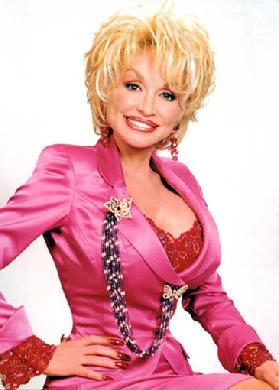
 |
| Dolly Parton |
|
|
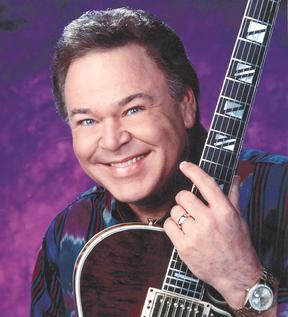
 |
| Roy Clark |
|
|
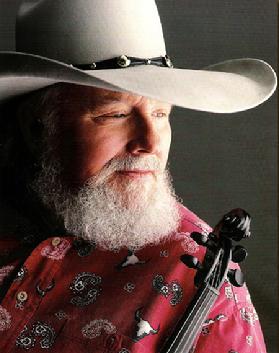
 |
| Charlie Daniels |
|
|
|
OUR ALLTIME Top 600 Country Songs
|
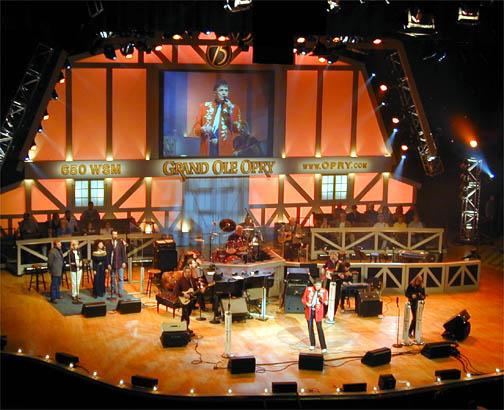
Early country music originated in the Appalachian mountains in the 1930's and was primarily acoustic, orchestrated with banjos and fiddles. The genre moved into the "golden age" as then-called "mountain music" moved out of the mountains and into the mainstream, popularized by institutions such as the Grand Ole Opry. Traditional country music of the golden age blended the sound of mountain music with new instrumentation, such as the pedal steel guitar. Johnny Cash, Porter Wagoner and Loretta Lynn were all artists that epitomized this era. The golden age of country music continued into the late 1960's, it's longevity attributed to the explosion of the "Nashville sound" in country music. Here, traditional country artists were combining honky-tonk lyrics with big-band orchestration, backed by strings and horns. Artists like Patsy Cline, Ray Price, Eddy Arnold and George Jones were best known for this type of sound. Much of the success of the crossover country music of today can be attributed to the golden age of this era, where artists first experimented with merging traditional sounds with popular music trends of the time to generate a wider appeal.
|

 |
| Music Index pages |
|
|

| Birth name |
Hiram King Williams |
| Also known as |
Hank Williams Hank Williams I Hank Williams, Sr. Luke the Drifter Hank Senior
|
| Born |
September 17, 1923(1923-09-17) Mount Olive, Alabama |
| Origin |
Montgomery, Alabama, US |
| Died |
January 1, 1953 (aged 29) Oak Hill, West Virginia |
| Genres |
Country and Western |
| Occupations |
Singer, Songwriter, Musician |
| Instruments |
Vocals, guitar, fiddle |
| Years active |
1937–1952 |
| Labels |
Sterling, MGM |
| Associated acts |
Drifting Cowboys |
| |
Hiram King "Hank" Williams (September 17, 1923–January 1, 1953) was an American country music performer. Though unable to read or write music to any significant degree, he came to be regarded as among the greatest country music stars of all time. Williams died at age 29; his death is widely believed to have resulted from a mixture of alcohol and drugs. He charted numerous number one hits in the country music world, and his songs have been recorded by hundreds of other artists, many of whom have also had hits with the tunes. Williams has been covered in a range of pop, gospel, blues and rock styles. His son Hank Williams, Jr., daughter Jett Williams, and grandchildren Hank Williams III, Holly Williams, and Hilary Williams are also professional singers. His music was widely influential, and has been covered by performers including Townes Van Zandt, Bob Dylan, Leonard Cohen , Beck Hansen, Johnny Cash, Tony Bennett, Patsy Cline, Ray Charles and Louis Armstrong.
Early life
Williams was born inside a log cabin in Mount Olive, Alabama to Elonzo Huble "Lon" Williams and Jessie Lillybelle "Lillie" Skipper. He was named after Hiram I of Tyre (one of the three founders of the Masons, according to Masonic legend), but his name was misspelled as "Hiriam" on his birth certificate. As a child he was nicknamed "Harm" by his family. He was born with a mild undiagnosed case of spina bifida occulta, a disorder of the spinal column, which gave him lifelong pain — a factor in his later abuse of alcohol and drugs. He was Elonzo's and Lillie's third and last child together, preceded by a brother who died shortly after birth, and sister Irene.
Williams' father was an employee for a lumber company railway line and was frequently transferred by his employer and the family lived in many Southern Alabama towns. In 1930, when Williams was seven years old, his father began suffering from face paralysis. At a Veterans Affairs clinic in Pensacola, Florida, doctors determined that the cause was a brain aneurysm, and Elonzo was sent to the VA Medical Center in Alexandria, Louisiana. Elonzo remained hospitalized for eight years, rendering him mostly absent throughout Hank's childhood.
In 1931, Lillie Williams settled her family in Georgiana, Alabama, where she worked as the manager of a boarding house. She managed to find several side jobs to support her children, despite the bleak economic climate of the Great Depression. She worked in a cannery and served as a night-shift nurse in the local hospital. Hiriam and Irene also helped out by selling peanuts, shining shoes, delivering newspapers, and doing other simple jobs. With the help of U.S. Representative J. Lister Hill, the family began collecting Elonzo's military disability pension. Despite their patriarch's medical condition, the Williams family managed fairly well financially throughout the Great Depression.
In 1933, Williams moved to Fountain, Alabama, to live with his uncle and aunt, Walter and Alice McNeil. Meanwhile, his cousin Opal McNeil moved in with the Williams family in Georgiana to attend the local high school. His aunt Alice taught him to play guitar, while his cousin, J.C. McNeil, taught him to drink whiskey.
In the fall of 1934, the Williams family moved to Greenville, Alabama, where Lillie then opened a boarding house next to the Butler County courthouse. In 1937, Williams got into a fight with his physical education coach about exercises the coach wanted him to do. His mother subsequently demanded that the school board terminate the coach; when they refused, the family relocated to Montgomery, Alabama.
Early career
In July 1937, the Williams and McNeil families opened a boarding house on South Perry Street in downtown Montgomery. It was at this time that Hiram decided to informally change his name to Hank, a name which he said was better suited to his desired career in country music. After school and on weekends, Williams sang and played his Silvertone guitar on the sidewalk in front of the WSFA radio studios. He quickly caught the attention of WSFA producers, who occasionally invited him to come inside and perform on air. So many listeners contacted the radio station asking for more of the "Singing Kid" that the producers hired him to host his own fifteen-minute show, twice a week for a weekly salary of fifteen dollars. In August 1938, Lon Williams was temporarily released from the hospital, and he showed up unannounced at the family's home in Montgomery. Lillie was unwilling to let him reclaim his position at the head of the household, so he stayed only long enough to celebrate Hank's birthday in September before he returned to the medical center in Louisiana.
Williams' successful radio show fueled his entrance to a music career. His generous salary was enough for him to start his own band, which he dubbed the Drifting Cowboys. The original members of the band were guitarist Braxton Schuffert, fiddler Freddie Beach, and comic Smith "Hezzy" Adair. James E. (Jimmy) Porter was the youngest Drifting Cowboy, being only 13 when he started playing steel guitar for Hank. Arthor Whiting was also a guitarist for The Drifting Cowboys. The Drifting Cowboys traveled throughout central and southern Alabama, performing in clubs and at private parties. Hank dropped out of school in October, 1939, so that the Drifting Cowboys could work full time. James Ellis Garner later played fiddle for him.
Lillie Williams stepped up to be the Drifting Cowboys' manager. She began booking show dates, negotiating prices, and driving them to some of their shows. Now free to travel without Hank's school schedule taking precedence, the band was able to tour as far away as western Georgia, and the Florida Panhandle. Meanwhile, Hank returned to Montgomery every weekday to host his radio show.
The American entrance into World War II in 1941 marked the beginning of hard times for Williams. All his band members were drafted to serve in the military, and many of their replacements refused to continue playing in the band because of Hank's worsening alcoholism. His idol, Grand Ole Opry star Roy Acuff, warned him of the dangers of alcohol, saying "You've got a million-dollar voice, son, but a ten-cent brain."Despite Acuff's advice, Williams continued to show up for his radio show intoxicated, so in August 1942, WSFA fired him due to "habitual drunkenness."
Later career
Williams had 11 number one hits in his career—"Lovesick Blues", "Long Gone Lonesome Blues", "Why Don't You Love Me", "Moanin' the Blues", "Cold, Cold Heart", "Hey Good Lookin'", "Jambalaya (On the Bayou)", "I'll Never Get Out of This World Alive", "Kaw-Liga", "Your Cheatin' Heart", "Take These Chains from My Heart" — as well as many other top ten hits.
1940s
In 1943, Williams met Audrey Sheppard, who became his manager as his career was rising, and he became a local celebrity. In 1946, Williams recorded two singles for Sterling Records—"Never Again" (1946) and "Honky Tonkin'" (1947)—both of which were successful. Williams soon signed with MGM Records, and released "Move It On Over", a massive country hit. In August 1948, Williams joined Louisiana Hayride, broadcast from Shreveport, Louisiana, propelling him into living rooms all over the southeast. After a few more moderate hits, Williams released his version of Rex Griffin's "Lovesick Blues" in 1949, which became a huge country hit and crossed over to mainstream audiences. That year, Williams sang the song at the Grand Ole Opry, where he became the first performer to receive six encores. In addition, Hank brought together Bob McNett (guitar), Hillous Butrum (bass), Jerry Rivers (fiddle) and Don Helms (steel guitar) to form the most famous version of the Drifting Cowboys; also that year, Audrey Williams gave birth to Randall Hank Williams (Hank Williams, Jr.). 1949 also saw Williams release seven hit songs after "Lovesick Blues", including "Wedding Bells", "Mind Your Own Business", "You're Gonna Change (Or I'm Gonna Leave)" and "My Bucket's Got a Hole in It".
"Luke the Drifter"
In 1950, Williams began recording as Luke the Drifter, an appellation given to him for use in identifying his religion-themed recordings, many of which are recitations rather than singing. Fearful that disc jockeys and jukebox operators would become hesitant to accept these non-traditional Williams recordings, thereby hurting the marketability of Williams's name, the name Luke the Drifter was employed to cloak the identity of the artist. Around this time, Williams released more hit songs, such as "My Son Calls Another Man Daddy", "They'll Never Take Her Love from Me", "Why Should We Try Any More?", "Nobody's Lonesome for Me", "Long Gone Lonesome Blues", "Why Don't You Love Me?", "Moanin' the Blues" and "I Just Don't Like This Kind of Livin'". In 1951, "Dear John" became a hit but the B-side, "Cold, Cold Heart", has endured as one of his most famous songs, aided by the #1 pop version by Tony Bennett in 1951 being the first of many recordings of Williams's songs in a non-country genre. ("Cold, Cold Heart" has subsequently been covered by Guy Mitchell, Casino Steel, Teresa Brewer, Dinah Washington, Lucinda Williams, Jerry Lee Lewis, Cowboy Junkies, Frankie Laine, Jo Stafford, and Norah Jones, among others). That same year, Williams released other hits, including "Crazy Heart".
Personal life
On December 15, 1944, Williams married Sheppard. It was her second marriage and his first. Their son, Randall Hank Williams, who would achieve fame in his own right as Hank Williams, Jr., was born on May 26, 1949.
Williams' marriage, always turbulent, was rapidly disintegrating, and he developed a serious problem with alcohol, morphine and other painkillers prescribed for him in an effort to ease his severe back pain caused by his spina bifida. Williams and his wife were divorced on May 29, 1952.
In 1952, Williams moved in with his mother, even as he released numerous hit songs, such as "Half as Much", "Jambalaya (On the Bayou)", "Settin' the Woods on Fire", "You Win Again" and "I'll Never Get Out of This World Alive". Williams' drug problems continued to spiral out of control as he moved to Nashville and officially divorced his wife. A relationship with Bobbie Jett during this period resulted in a daughter, Jett, who would be born just after his death.
On August 11, 1952, Williams was fired from the Grand Ole Opry. Told not to return until he was sober, he instead rejoined Louisiana Hayride. Soon after, the Drifting Cowboys decided to part ways with Williams. Their departure was due to Williams drinking more than a show would pay.
On October 18, 1952, Williams married Billie Jean Jones Eshlimar (born 1933) in Minden, Louisiana. It was a second marriage for both (both having been divorced with children). The next day two public ceremonies were also held at the New Orleans Civic Auditorium where 14,000 seats were sold for each ceremony. It has been written that Williams wanted the two public ceremonies in an attempt to spite Audrey who wanted him back and threatened that he would never see his son again. After Williams' death, a judge ruled the wedding was not legal due to the fact that Billie Jean’s divorce did not become final until eleven days after she married Williams.Hank's first wife, Audrey, and his mother, Lillian, were the driving force behind having the marriage declared invalid and pursued the matter for years. Little mention was made that Williams also married Audrey before her divorce was final. He married her on the tenth day of a required 60 day reconciliation period. On October 22, 1975 a federal judge in Atlanta finally ruled Billie Jean's marriage was valid and half of Williams' future royalties belonged to her. After Willams' death, Billie Jean married Johnny Horton, also an American country music singer, in 1953. She was again widowed in 1960 when Horton was killed in a car crash.
|
On January 1, 1953, Williams was due to play at a New Years Day concert in Canton, Ohio, but he was unable to fly due to weather problems with snow and ice in Ohio. He hired a college student, Charles Carr, to drive him to the concerts he was to perform during the few final days of 1952 and early 1953. Upon leaving the Andrew Johnson Hotel in Knoxville, Tennessee, Williams apparently had injected himself with some pain-killers which included a morphine/Vitamin B-12 combination. Also found in the Cadillac convertible were some empty cans of beer and the handwritten lyrics to a song yet to be recorded. According to some, Williams was carried semi-conscious to his automobile by Carr and a hotel employee, who wondered about Williams' condition, and later believed he might have been dead at that point.
In a slightly different version, Carr suspected Williams was moribund at some earlier point, but realized the great singer was dead several miles before entering the town of Oak Hill, West Virginia where he, almost in a panic, pulled up to the gas station to seek help.
Upon closer examination, it was discovered that Williams was dead. He was 29. The official cause of death was heart failure, but there is still some mystery about the circumstances. Controversy has since surrounded Williams' death, with some claiming that Williams was dead before leaving Knoxville.Other sources, speculating from the forensic evidence, claim that Williams died in his sleep while the Cadillac was being driven through Kentucky about an hour before his body was discovered in the back seat. Oak Hill is still widely known as the little town where Hank Williams "died." There is a monument dedicated to his memory across the street from the little gas station where Carr anxiously sought help for Williams. The people of Oak Hill were apparently concerned with Carr and his near-panicky condition, as they calmed him and welcomed him into their homes. The Cadillac where Hank died in is now preserved at the Hank Williams Museum in Montgomery, Alabama.
Williams' final single released during his lifetime was coincidentally titled "I'll Never Get Out of This World Alive". Five days after his death, his daughter by Bobbie Jett (Jett Williams) was born. His widow, Billie Jean Jones, married country singer Johnny Horton in September 1953. "Your Cheatin' Heart" was written and recorded in 1952 but released in 1953, after Williams' death. The song was number one on the country charts for six weeks. The story goes that Williams was prompted to write the song when thinking about his first wife, Audrey Williams, while driving around with his second, Billie Jean Williams; she is supposed to have written down the lyrics for him in the passenger seat. Williams collaborated with Nashville songwriter Fred Rose to produce the song's final draft before recording it during his last ever recording session, on September 23, 1952. The song provided the title of a 1965 biopic about Williams, which starred George Hamilton.
|
Williams' son Hank Williams, Jr., daughter Jett Williams, grandson Hank Williams III, and granddaughters Hilary Williams and Holly Williams are also country musicians.
Williams ranked number two in CMT's 40 Greatest Men of Country Music in 2003, behind Johnny Cash. His son, Hank Jr., ranked number 20 on the same list.
Williams' remains are interred at the Oakwood Annex in Montgomery, Alabama. His funeral was said to have been far larger than any ever held for a citizen of Alabama and is still, as of 2005, the largest event ever held in Montgomery. As of 2007, more than 50 years after Williams's death, members of the Drifting Cowboys continue to tour.
In 2004, Rolling Stone ranked him number 74 on its list of the 100 Greatest Artists of All Time. The website "Acclaimedmusic" collates recommendations of albums and recording artists. There is a year-by-year recommendation for top artists. For the period 1940–1949, Hank Williams is ranked as number 1 for his song "I'm So Lonesome I Could Cry". Many rock and roll pioneers of the 1950s, such as Elvis Presley, Gene Vincent, Carl Perkins, Ricky Nelson, Jack Scott, Conway Twitty and Jerry Lee Lewis recorded Williams songs early in their careers.
In February 2005, the Tennessee Court of Appeals upheld a lower court ruling stating that Williams' heirs—son Hank Williams Jr. and daughter Jett Williams—have the sole rights to sell his recordings made for a Nashville, Tennessee radio station in 1951. The court rejected claims made by Polygram Records and Legacy Entertainment in releasing recordings Williams made for the Mother's Best Flour Show, a program that originally aired on WSM-AM. The recordings, which Legacy Entertainment acquired in 1997, include live versions of Williams's hits and his cover version of other songs. Polygram contended that Williams's contract with MGM Records, which Polygram now owns, gave them rights to release the radio recordings. Jett Williams stated on her website in August 2007 that the "Mother's Best" recordings would be released in 2008. A 3 CD selection of the tracks, restored by Joe Palmaccio, was released by Time-Life in October 2008 titled The Unreleased Recordings.
In 1981, Drifting Cowboys steel guitarist Don Helms teamed up with Hank Williams, Jr. to record "The Ballad of Hank Williams". The track is a spoof or novelty song about Hank Sr.'s early years in the music business and his spending excesses. It was sung to the tune of "The Battle of New Orleans", made famous by Johnny Horton. Hank, Jr. begins by saying "Don, tell us how it really was when you was working with Daddy." Helms then goes into a combination of spoken word and song with Williams to describe how Hank, Sr. would "spend a thousand dollars on a hundred dollar show" among other humorous peculiarities.
The chorus line "So he fired my ass and he fired Jerry Rivers and he fired everybody just as hard as he could go. He fired Old Cedric and he fired Sammy Pruett. And he fired some people that he didn't even know" is a comical reference to Hank Williams' overreaction to given circumstances.
In 1991, Country music artist Alan Jackson released "Midnight in Montgomery", a song with lyrics that portray meeting Hank Williams' spirit at Williams' grave site while on his way to a New Year's Eve show.
Country artist Marty Stuart also paid homage to Hank Williams with a tribute track entitled "Me And Hank And Jumping Jack Flash." The lyrics tell a story, similar to the "Midnight in Montgomery" theme but about an up-and-coming Country music singer getting advice from Hank Williams' spirit.
In 1983, country music artist David Allan Coe released "The Ride", a song that told a story of a young man with his guitar hitchhiking through Montgomery and being picked up by the ghost of Hank Williams in his Cadillac and driven to the edge of Nashville. "...You dont have to call me mister, mister, the whole world called me Hank".
In 1999, Williams was inducted in the Native American Music Hall of Fame.
|
 |
| I Dreamed About Mama Last Night |
|
|
|
 |
| More than fifty years after his death, Hank Williams ranks among the most powerfully iconic figures in American music. Iconic to the point that man and myth are inextricably entwined. He set the agenda for contemporary country songcraft and sang his songs with such believability that we feel privy to his world, despite the fact that he left no in-depth interviews and just a few letters. His brief life and tragic death have only compounded his appeal. Born in the tiny settlement of Mount Olive in south-central Alabama on September 17, 1923, Hiram “Hank” Williams grew up with a sense of apartness that never left him. A spinal condition, in all likelihood spina bifida occulta, ensured that he couldn’t work in the same occupations as his contemporaries: logging or farming. When Hank was six years old, his aloneness was compounded when his father, Lon, went into a veterans’ hospital; Hank would see him just twice in the next seven years. His mother, Lilly, ran rooming houses, first in Greenville, Alabama, and then in Montgomery. |
|
| |
Local influences shaped Hank’s music more profoundly than the big stars of the day. The gospel songs of both the black and white communities taught him that music, whether sacred or secular, must have a spiritual component. He learned traditional folk ballads and early country songs from neighbors and friends, and blues from a local African-American street musician, Rufus Payne (also known as Teetot). Payne not only taught Hank how to play the guitar, but helped him overcome his innate shyness. The blues feel that suffuses much of Hank Williams’ work is almost certainly Teetot’s legacy.
Entering local talent talent contests soon after moving to Montgomery in 1937, Hank had served a ten-year apprenticeship by the time he scored his first hit, “Move It on Over,” in 1947. He was twenty-three then, and twenty-five when the success of “Lovesick Blues” (a minstrel era song he did not write) earned him an invitation to join the preeminent radio barndance, Nashville’s Grand Ole Opry. His star rose rapidly. He wrote songs compulsively, and his producer/music publisher, Fred Rose, helped him isolate and refine those that held promise. The result was an unbroken string of hits that included “Honky Tonkin’,” “I’m So Lonesome I Could Cry,” “Mansion on the Hill,” “Cold, Cold Heart,” “I Can’t Help It (If I’m Still in Love with You),” “Honky Tonk Blues,” “Jambalaya,” “Your Cheatin’ Heart,” and “You Win Again.” He was a recording artist for six years, and, during that time, recorded just 66 songs under his own name (together with a few more as part of a husband-and-wife act, Hank & Audrey, and a more still under his moralistic alter ego, Luke the Drifter). Of the 66 songs recorded under his own name, an astonishing 37 were hits. More than once, he cut three songs that became standards in one afternoon.
The fourteen “Luke the Drifter” recordings were narrations and talking blues. Luke the Drifter walked with Hank Williams and talked through him. If Hank Williams could be headstrong and willful, a backslider and a reprobate, then Luke the Drifter was compassionate and moralistic, capable of dispensing all the sage advice that Hank Williams ignored. Luke the Drifter had seen it all, yet could still be moved to tears by a chance encounter on his travels. Although little known in comparison with the hits, the “Luke the Drifter” narrations were the closest Hank Williams came to bearing his soul.
As a songwriter, Hank Williams matured surprisingly quickly, and his fractious relationship with his first wife, Audrey (whom he’d married in 1943), provided him with much of the raw material. After Tony Bennett covered “Cold, Cold Heart” in 1951, his songs found a broader market, a market that Hank himself would have found it hard to penetrate. To the end, he was unapologetically Southern, unable to make the compromises that Elvis Presley would make just a few years later. But Williams’ songs went where he couldn’t, and from 1951 onward, there was a rush to reinterpret them for the pop market. Ironically, those pop versions, which comfortably outsold Williams’ originals in the early Fifties, now sound over-ornamented and outdated, while Williams’ spare and haunting versions sound ageless.
It all fell apart remarkably quickly. Hank Williams grew disillusioned with success, and the unending travel compounded his back problem. A spinal operation in December 1951 only worsened the condition. Career pressures and almost ceaseless pain led to recurrent bouts of alcoholism. He missed an increasing number of showdates, frustrating those who attempted to manage or help him. His wife, Audrey, ordered him out of their house in January 1952, and he was dismissed from the Grand Ole Opry in August that year for failing to appear on Opry-sponsored showdates. Returning to Shreveport, Louisiana, where he’d been an up-and-coming star in 1948, he took a second wife, Billie Jean Jones, and hired a bogus doctor who compounded his already serious physical problems with potentially lethal drugs.
In late December 1952, Hank Williams returned to Montgomery, attempting to recuperate, but decided to meet two prearranged showdates on New Year’s Eve and New Year’s Day. He died en route, aged just twenty-nine. Contrary to myth, Williams did not die with his star in the ascendant. “Jambalaya” had been one of the best-selling records of 1952, but while his records were topping the charts, he was so unreliable that he was reduced to playing beerhalls in Texas and Louisiana. There’s a persistent myth that he would have returned to the Opry had he not died on New Year’s Day 1953, but surviving correspondence suggests nothing more than a few more beerhall gigs. On a record released after his death, Williams sang of being pursued by the “Pale Horse and His Rider.” On a home recording made shortly before his death, he directly addressed “The Angel of Death.” It’s impossible to escape the feeling that he lived with the spirits every day, and drank in part to escape them.
Timing is everything and Hank Williams came and went at precisely the right time. Country music was a cottage industry at the time of his arrival, yet, just a few years after his death, it was shaking off its “hillbilly” image. An artist as unapologetically rural as Hank Williams would have been shown the door. Elvis Presley appeared on the Grand Ole Opry just two years after Hank was dismissed, and Nashville’s response to Elvis was to nurture artists who could cross between country and pop, leading to the birth of the Nashville Sound. Hank Williams didn’t belong in the Nashville Sound era, but his tragically early death spared him the indignity of trying. Instead, his songs have lived on, reintrepreted by artists as diverse as Bob Dylan, jazz diva Norah Jones, crooner Perry Como, R&B star Dinah Washington, and British punk band, The The.
|
|
 |
| A life-size statue of Williams stands in downtown Montgomery, Alabama, where he began his music career. |
|
| |
 |
| Hank Williams Jr. |
|
|
|
Golden Age of Country part (2)
|
 |
| "You're All I Want For Christmas" |
|
|
 |
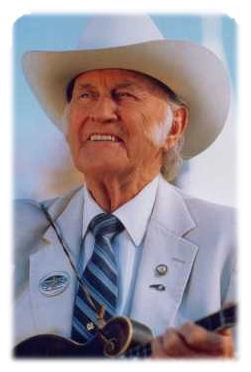
| Bill Monroe And The Bluegrass Boys |
|
| | |
|
 |
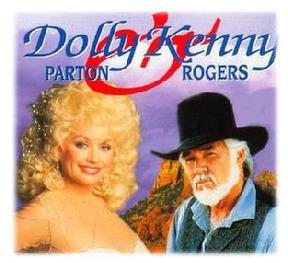
| Christmas Without You |
|
| |
 |
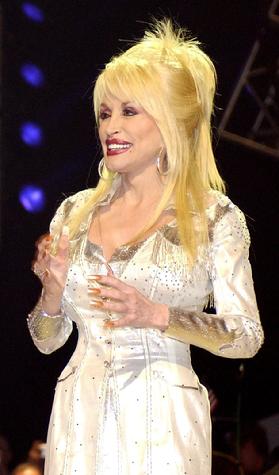
| Dolly Parton (9 to 5) |
|
|
 |
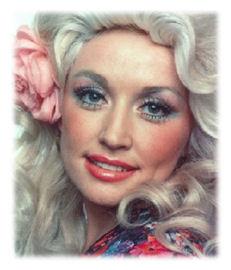
| Dolly Parton |
|
|

 |
| Dolly Parton |
|
|

 |
| I'll Be Home For Christmas |
|
|
 |
| Music Index pages |
|
|

To all Visitors
This site has been developed not just to sell Antiques and Collectibles (of course it does some of that) rather it is to provide information about Antiques, Collectibles, artwork, art pottery, furniture types, furniture styles, jewelry, and militaria from the Revolutionary War to the Vietnam War. This site is all about information and history that is not readily available elsewhere on the Internet. We think West St Paul Antiques is one of the best Antique Malls in the State of Minnesota and we have been working hard to create that excellence for the last 12 years. We have expertise on Antiques & Collectibles and as we read and study about history and antiques we also strive to be historians. We will share that expertise with you and all the visitors to our site. Stop by and visit our Antique Mall in West St Paul, Minnesota. Or, you are all welcome to visit us on the web. This is a new website for us at West St Paul Antiques. We hope you enjoy the site. Please feel free to email me directly at floydruggles@weststpaulantiques.com if you have any questions or feedback about this site. Please sign our guest book and check out our Poetry Coffee Cup Cafe, or the Out and About Gallery. The Reference Library an all 5 Museums are open to you 24/7 on this website. Stop by one of the 1st Recon Battalion pages where you can read about my experiences in Vietnam. Oh, by the way, also check out all our Antiques, Collectibles, artwork, art pottery, clocks, mall specials, furniture types and styles, jewelry and militaria items for sale on this site and in our Antique Mall. Check it out by going to Antique Mall Tour. This site will be totally commercial free with no fees to pay. I'll be working on this site over time so bear with me. It should be finished by the end of 2010 with over 500 pages at that time and 900 pages by the end of next year. Click here to go to our web Site Map and Categories.
|
Click a NEW link To browse our Home page, Look over our Museums, 1st Reconnaissance Battalion pages, Recon Photo Gallery, Out and About Gallery, Poetry Coffee Cup Cafe, About Us, Christmas Index, Antique Mall Tour, Antiques & Collectibles, Furniture, Jewelry, Art Pottery, Artwork, Militaria,Contact Us, Hours and Directions, Dealers pages, Consignment, Ebay Store, Translate this Website, Our Blogs, Books, Bottles & Jars, China, Crystal & Glass, No Man Left Behind, Who Was Really the First President of the United States, Halloween pages, Primitives, Antique Photos, The Day Eagle Cried, Financial Tip of the Year & Remembering The 50's & 60's Music Index.
or
Go to the top of each page of our website for the menu bar of categories. You will see a drop down menu appear for each category. Click a link to browse or click our Site Map and Categories to find your link.
|
|
 |
| Me with your feedback on how I can Improve this website. |

|
| |
 |
| Thanks for stopping by today... |
|
|
|